
Physics Minor
Build a firm foundation in scientific techniques and physical content, then deepen your knowledge through upper-division Physics courses.
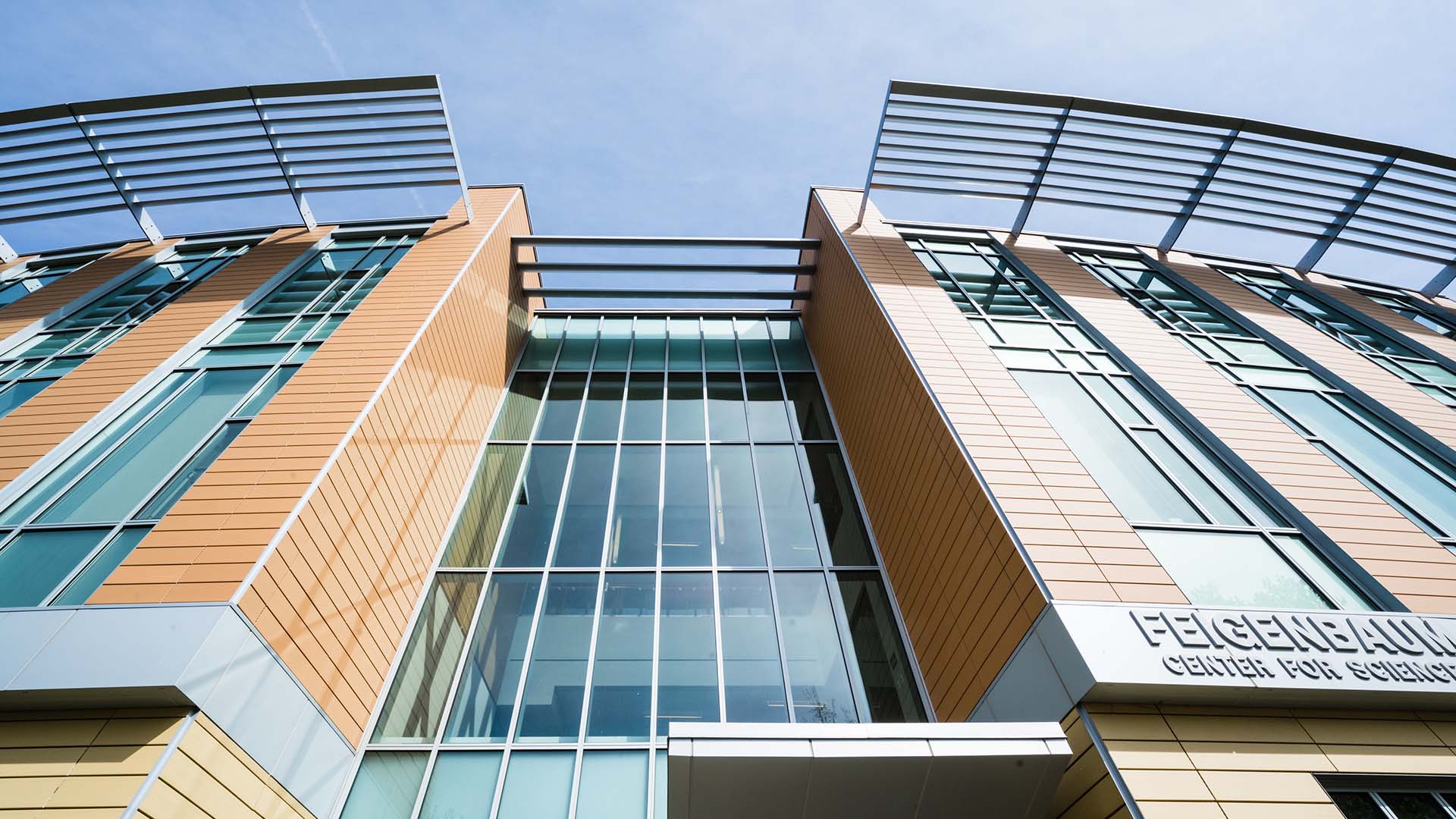
Understand physical systems. Strengthen quantitative reasoning. Add depth to your degree.
Program Type: Minor
Total Credit Hours: 22
Open to: All MCLA Undergraduates
Why Add a Physics Minor?
You do not need to major in Physics to strengthen the quantitative reasoning and problem-solving skills used across STEM fields. The 22-credit Physics Minor combines a calculus-based core with upper-division study that complements work in mathematics, computer science, health sciences, environmental studies, and related areas.

NSF Research Experience for Undergraduates (REU)
Physics minor students benefit from small class sizes and direct access to professors who provide individual support, explain complex concepts, and guide students through classroom and laboratory work.

Small Classes, Direct Faculty Access
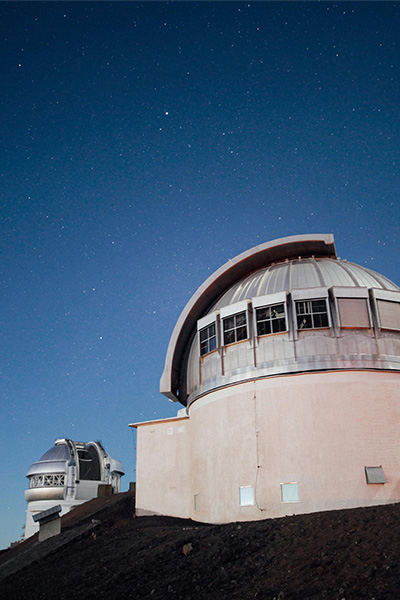
Physics minor students can apply for NSF Research Experience for Undergraduates programs alongside Physics majors. MCLA students have completed projects involving nanografting with an Atomic Force Microscope, physical manipulation of the Na/K pump at the University of South Florida Applied Physics REU, and research on the origin and development of planets and stars at the Maria Mitchell Observatory on Nantucket.

Upper-Division Depth in Specialized Fields
In addition to studying the major areas of physics, Physics minor students gain depth in specific fields through upper-division coursework. Elective options include electronics, optics, computational methods, classical mechanics, and electricity and magnetism.
Physics Minor Requirements
The Physics Minor requires 22 credits. Students complete four required courses and select two Physics courses at the 300 level or above.
- PHYS 151: Introduction to Mechanics
- PHYS 153: Introduction to Thermodynamics, Waves, and Optics
- PHYS 251: Introduction to Electricity & Magnetism
- PHYS 351: Modern Physics
- Two Physics courses at the 300 level or above
Elective courses available:
- PHYS 301: Classical Mechanics
- PHYS 303: Electricity and Magnetism
- PHYS 305: Electronics
- PHYS 371: Computational Methods of Physics
- PHYS 403: Introduction to Particle Physics
- PHYS 405: Optics
Skills You Will Develop
Spotlight Courses
Faculty
Meet Your Mentors



FAQs
The B.S. is designed for students pursuing advanced study or research in physics or
engineering. The B.A. is suited for broader career paths such as teaching, law, or
interdisciplinary fields.
All B.S. students complete an independent research project on the topic of their choosing
in their senior year. All students can do research with a faculty member in particle
physics, optics, or computational quantum physics (the specialties of our faculty).
And we encourage and support all students to apply to summer NSF REUs or engineering
co-ops and internships.
Physics requires strong mathematical skills. Students work with algebra, calculus,
and advanced mathematical concepts to model and understand physical systems.
Related Programs
Interested in Learning More About MCLA’s Physics Programs?
Reach Out To Us
We’ll share helpful information and student stories, and we promise not to flood your inbox.